Grocery Store Compactor Cleaning: What Regional Chains Should Be Doing Monthly
Chains with 20+ stores need coordinated cleaning. Inconsistency creates liability across locations. Monthly schedules ensure compliance everywhere.
The back of your building matters too—especially when the EPA shows up.

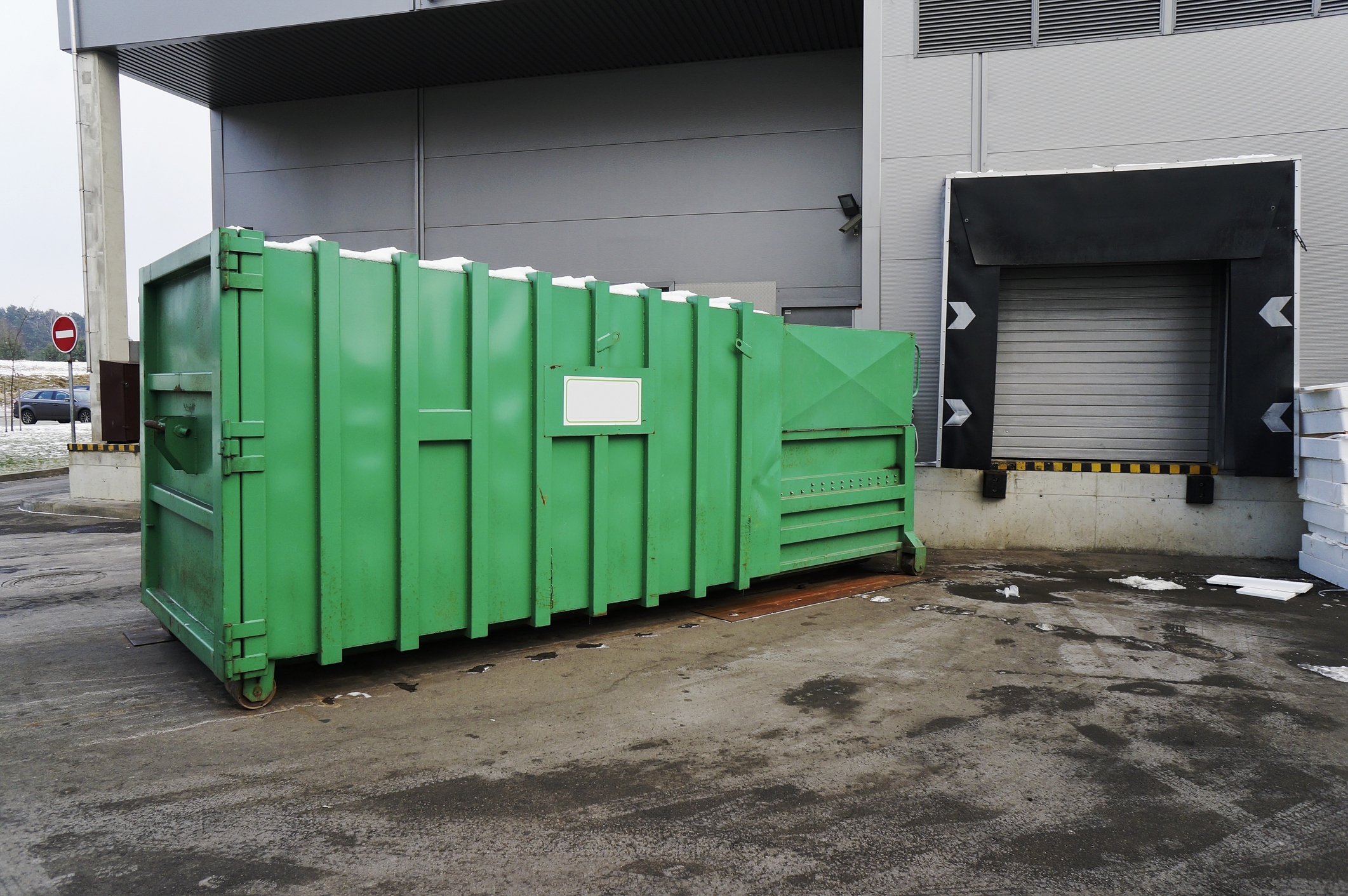
Compactor cleaning covers waste compactors, compactor pads, chutes, ramps, and the surrounding areas where garbage, grease, and organic waste accumulate.
We don't just spray it down. We disassemble the compactor, clean every component, and put it back together. The goal is a machine that looks and smells like it's supposed to.
The EPA has come down hard on compactor compliance, especially in California. A neglected compactor isn't just an eyesore—it's a liability. Fines add up fast.
But compliance aside, there's a practical reason to keep compactors clean: longevity. A well-maintained compactor lasts longer and breaks down less often. The ROI on regular cleaning is real.
Chains with 20+ stores need coordinated cleaning. Inconsistency creates liability across locations. Monthly schedules ensure compliance everywhere.
.jpg)
Dirty compactors cost more than fines. They cost equipment replacement, pest remediation, and site damage.
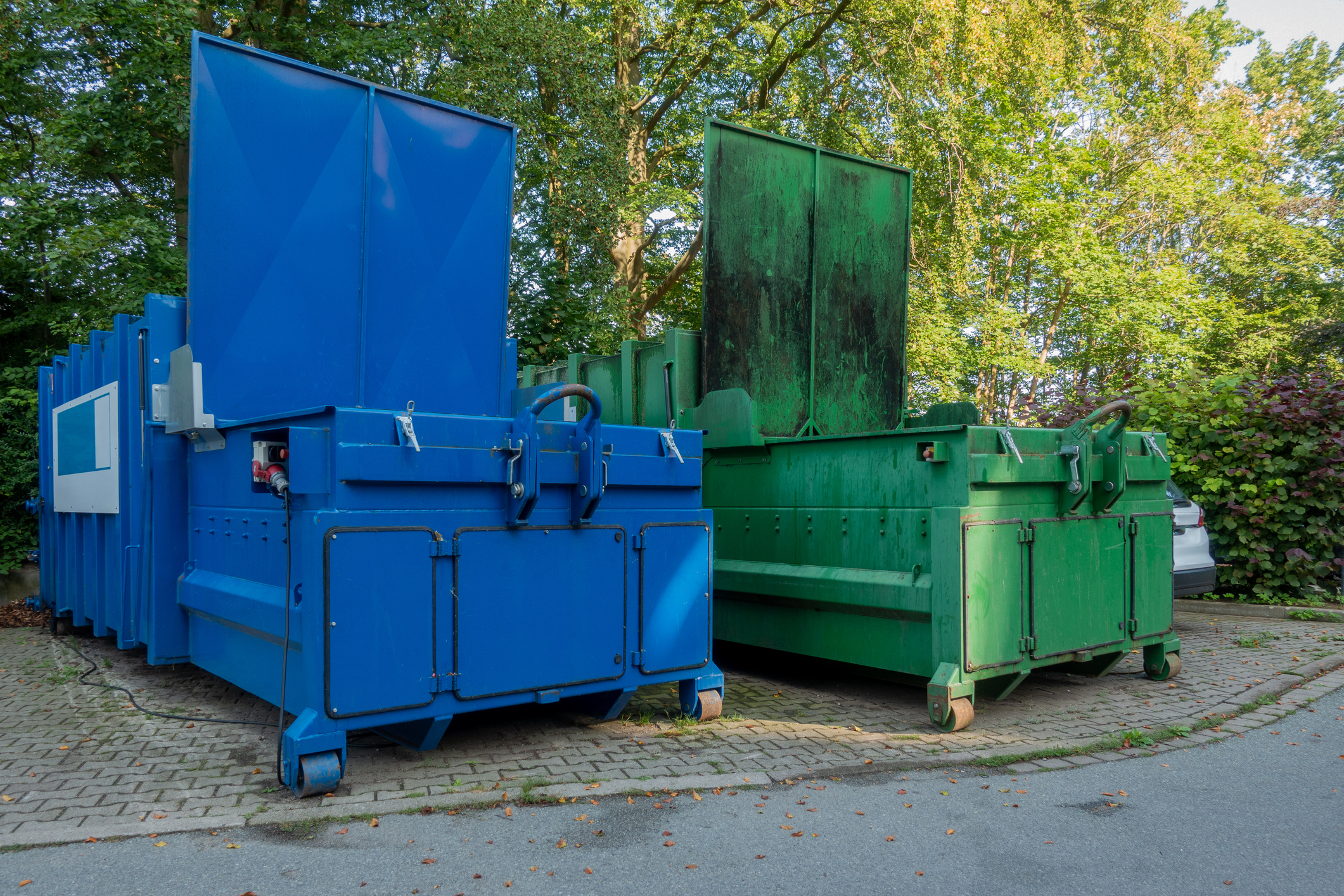
Compactors are liability. Dirty pads violate EPA rules. Regular cleaning prevents fines and protects equipment lifespan.

.svg)
.svg)
.svg)


© 2025 Gleam. All rights reserved. · Privacy Policy · Terms of Service